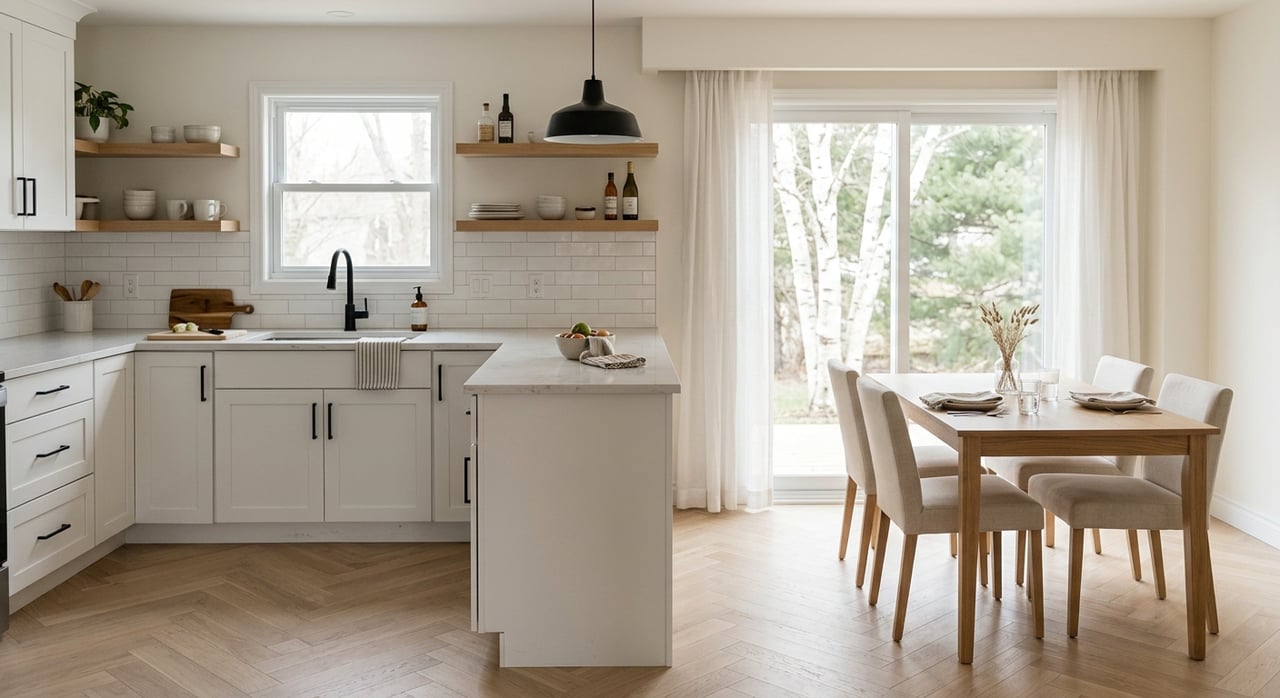
Buying A Lake Wisconsin Home For Short-Term Rental Use
July 2, 2026
July 2, 2026
Thinking about buying a Lake Wisconsin home to use as a short-term rental? It can be an exciting way to enjoy a lifestyle property while creating income potential, but this market comes with more moving parts than many buyers expect. Before you fall in love with the view alone, it helps to understand the local rules, property features, and due diligence items that can make or break your plans. Let’s dive in.
Lake Wisconsin has strong appeal for buyers looking at recreational real estate. It is a 7,197-acre flowage in Columbia and Sauk counties, and the Wisconsin DNR notes features like 15 boat landings, boating ordinances, and a well-known fishing and boating environment.
For short-term rental use, that matters because guests often choose lake homes for easy access to the water and outdoor activities. Lodging examples around Lake Wisconsin commonly highlight amenities such as docks, boat slips, swimming areas, kitchens, fire pits, parking, and Wi-Fi.
The broader visitor experience also adds to the draw. Nearby attractions like the Merrimac Ferry, along with destinations tied to Merrimac, Lodi, Poynette, and the Baraboo bluff corridor, help support the area’s appeal for weekend trips and longer recreational stays.
If you are buying a Lake Wisconsin home for short-term rental use, start with regulations before you start estimating income. In Wisconsin, the Department of Agriculture, Trade and Consumer Protection defines a tourist rooming house as a lodging place where sleeping accommodations are offered for pay to tourists or transients, including homes, condos, cabins, and cottages.
DATCP states that lodging permits are required for lodging facilities. Its posted fee schedule shows a one-unit tourist rooming house annual fee of $296 and a one-time pre-inspection fee of $592.
In Columbia County, tourist rooming houses are treated as conditional uses in residential zoning districts. That means you should confirm early whether the specific property can legally support the use you have in mind.
For many Lake Wisconsin properties in Columbia County, county standards will shape what is realistic. The county states that occupancy is limited to two people per bedroom plus two more, with an absolute cap of eight guests.
Vehicle rules are also important. Guest vehicles are limited to the number of bedrooms, and on-street parking is prohibited.
The county also states that recreational vehicles and tents may not be used for sleeping. In addition, the property’s appearance must remain residential, and the use must be licensed by the State of Wisconsin.
There is also a county fee to keep in mind. Columbia County’s fee schedule lists a licensed tourist rooming house fee of $110.
A lakefront home may look perfect today but still limit your future plans. Columbia County shoreland rules require a 75-foot setback from the ordinary high-water mark, a 35-foot vegetative buffer zone, and a 15% impervious surface limit within 300 feet of navigable water, with mitigation-based exceptions in some cases.
These standards can affect additions, patios, parking expansions, and other guest-focused improvements. If you are counting on remodeling or reworking the site after closing, this step deserves close review before you buy.
Floodplain issues matter too. The county states that buildings and structures in floodplains must comply with applicable floodplain rules, so any lakefront purchase should be reviewed with that in mind.
Not every lake house is a strong short-term rental candidate. In this market, a better fit is often a property that can meet occupancy and parking rules without depending on exceptions.
That usually means enough off-street parking for guest vehicles, plus room for boats and trailers if water recreation is part of the expected guest experience. Since Columbia County prohibits on-street parking for tourist rooming houses, tight lake lots can be harder to operate smoothly.
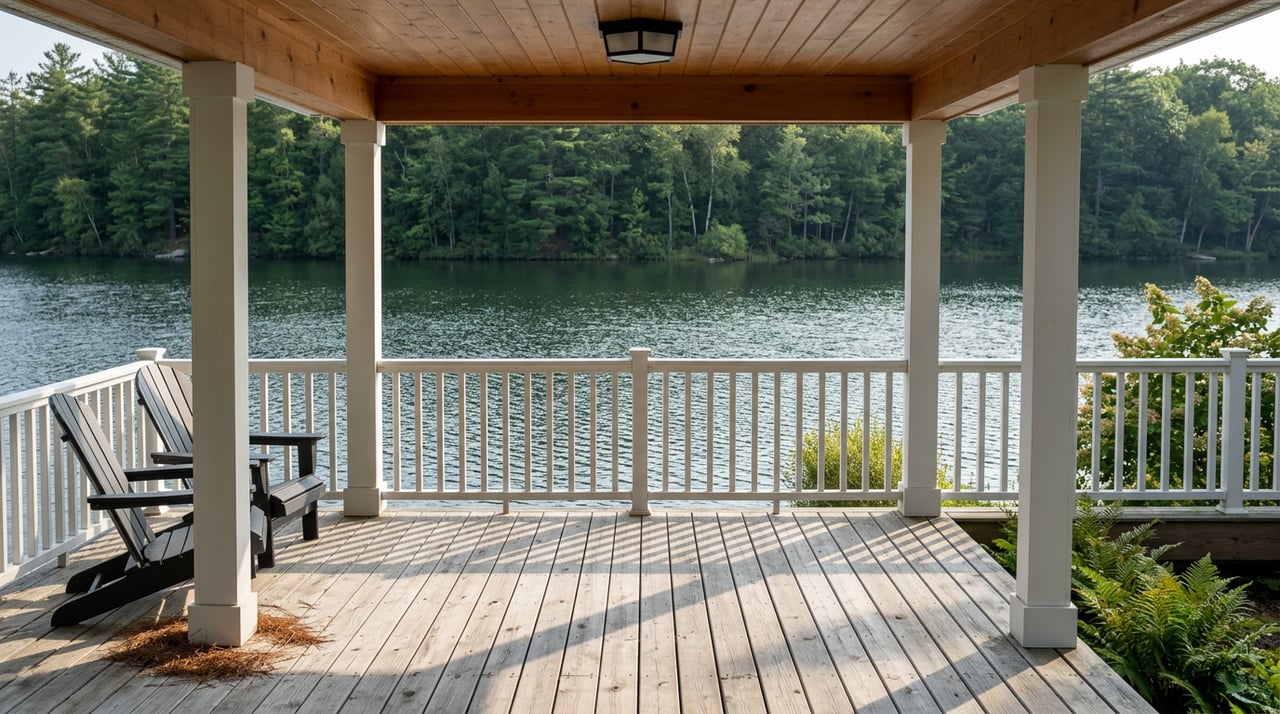
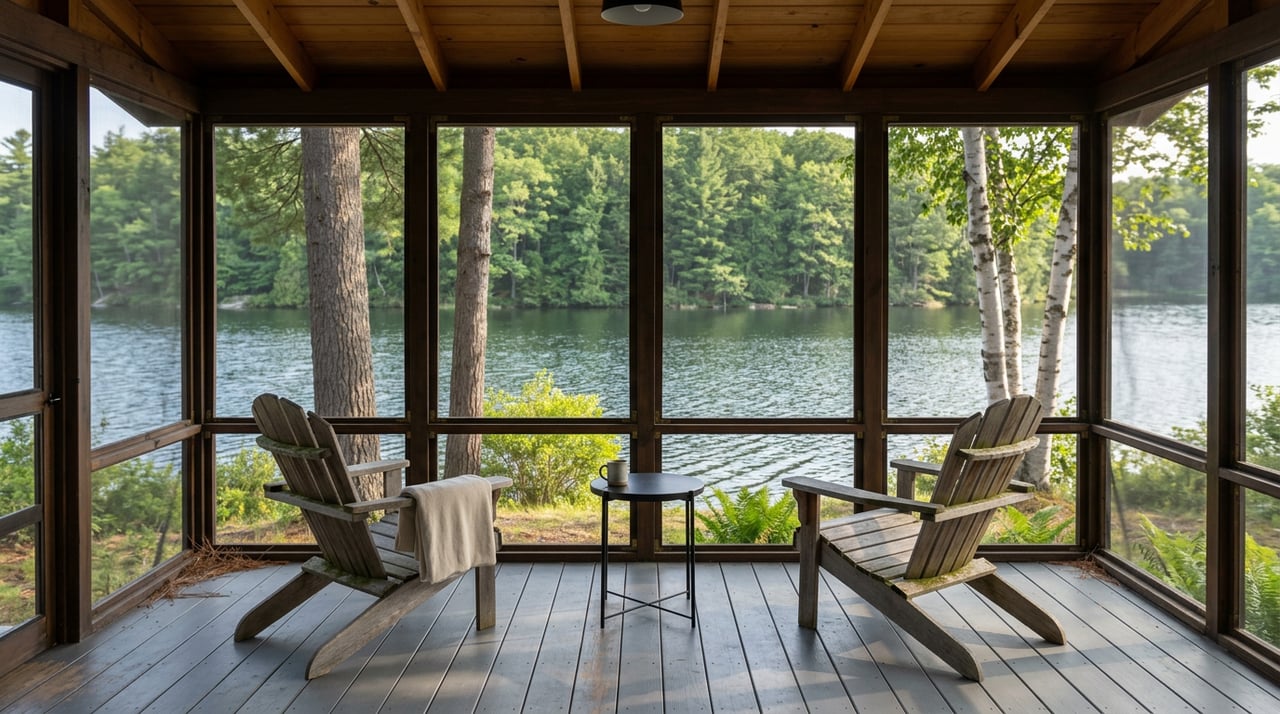
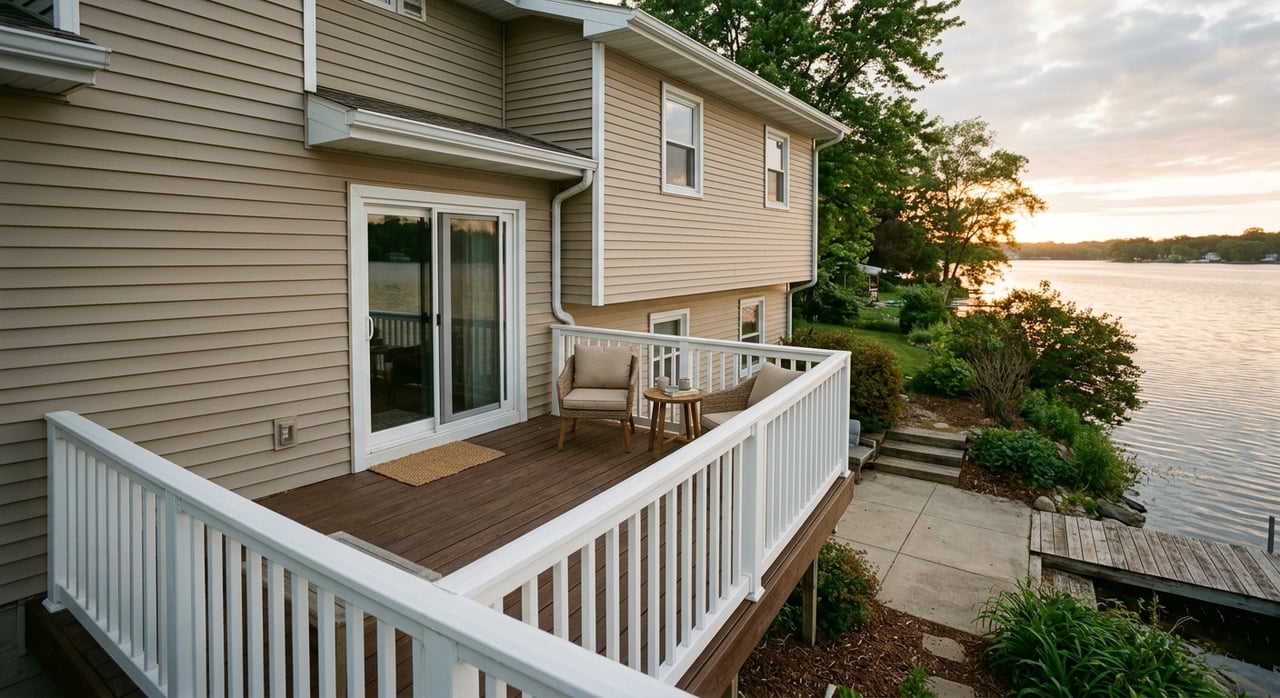
Lake access also matters. Properties with a dock, boat slip, swimming area, outdoor seating, and easy day-to-day functionality may line up more naturally with what guests already seem to expect in the Lake Wisconsin lodging market.
A full kitchen and reliable Wi-Fi may sound basic, but they fit the patterns seen in area lodging examples. If you want a home that works for both personal use and rental use, practical features often matter just as much as a dramatic shoreline view.
For many buyers, the biggest hidden issue is not the lake itself. It is the property infrastructure.
Columbia County planning materials show that sanitary permit documentation can include a soil evaluation report, POWTS management plan, and holding-tank documents. That makes septic capacity a major due diligence item, especially if you plan to host frequent weekend stays or repeated guest turnover.
A system that works fine for occasional owner use may not be ideal for regular rental activity. Verifying septic and well details early can help you avoid buying a home that looks promising on paper but becomes harder to operate in practice.
County approval is only part of the picture. Columbia County code states that private covenants are deed restrictions or HOA-type rules enforced by the landowners involved, not by county or town government.
That means you need to review private restrictions separately from zoning and licensing rules. A property may satisfy county rules but still have private limits on rentals, occupancy, parking, or minimum stay requirements.
For condo properties or homes in private lake communities, this step is especially important. It is one of the easiest issues to overlook when a listing looks like a great short-term rental opportunity.
Short-term rental taxes are another item to confirm before closing. Wisconsin sales tax is 5%, and Columbia County has a 0.5% county sales and use tax.
Room tax is more specific. The Wisconsin Department of Revenue states that room tax is municipal-specific and tracked through municipal room-tax filings.
In practical terms, your exact tax exposure depends on the property address. That is one more reason why the exact jurisdiction matters when you compare one Lake Wisconsin home to another.
A smart short-term rental purchase starts with the right questions. Before you move forward, make sure you can clearly answer the following:
These are not small details. They can directly affect whether a property fits your goals as a lifestyle home, an investment, or a mix of both.
Owning on Lake Wisconsin also means operating within an active recreation environment. The DNR notes that local boating ordinances can be more restrictive than state law and says the only sure way to know is to check the sign at a public landing.
That is a useful reminder for buyers. If your rental strategy assumes certain boating, docking, or lake-use habits, verify those expectations before you buy.
The DNR also lists invasive species on Lake Wisconsin and classifies the waterbody as eutrophic. For buyers, that suggests shoreline upkeep, dock and weed management, and seasonal maintenance may deserve more attention than they would on some other properties.
The right Lake Wisconsin short-term rental home is not just the one with the nicest photos. It is the one that fits your goals, works within local rules, and supports a smooth guest experience without constant workarounds.
That is where local guidance can make a big difference. When you look at occupancy limits, parking needs, shoreland restrictions, septic questions, and private covenants together, you can make a much more confident decision.
If you are exploring Lake Wisconsin homes for personal use, rental use, or both, Your Local Real Estate Group can help you evaluate properties with a practical local perspective. Let’s talk about your next move.
Stay up to date on the latest real estate trends.

Whether you are buying or selling a home, Your Local Real Estate Group is eager to be your resource throughout the entire process. Their experienced professionals have access to top listings, a worldwide network, exceptional marketing strategies, and cutting-edge technology to help make your real estate experience memorable and enjoyable.