Leave a Message

Thank you for your message. We will be in touch with you shortly.

Selling A Lake Wisconsin Home: How To Maximize Your Waterfront Value

March 5, 2026

Thinking about selling your Lake Wisconsin home and wondering how to get every dollar of value from your shoreline? Waterfront buyers look for more than bedrooms and square footage. They focus on frontage, dock rights, water access, and whether the property is compliant with local rules. In this guide, you’ll learn the value drivers specific to Lake Wisconsin, the permits and paperwork that matter, and a practical prep plan to market your home with confidence. Let’s dive in.

What really drives value on Lake Wisconsin

Your type of waterfront access

How you access the water shapes price and buyer interest. Private deeded frontage to the water’s edge signals riparian rights and direct use. Shared or association access can still be attractive, but expectations differ. Be clear in your listing copy about your exact access rights and how they are recorded. Columbia County’s code and recorded deeds are the place to confirm legal descriptions and easements.

Frontage and usable shoreline

Buyers and appraisers weigh linear feet of frontage along with how usable it is. Depth to navigable water, the ability to position a dock, and safe access all matter. Wisconsin DNR rules define what you can place below the Ordinary High Water Mark, so your current and potential pier setup influences value. Review the DNR’s pier guidance so you can document what exists and what is allowed.

Dock and boathouse status

A well-maintained, permitted dock is a real asset. Wisconsin recognizes different treatment for legacy piers that were in place before April 17, 2012. If your pier qualifies, gather photos, dates, or DNR documentation to show status. Boathouses and shoreline structures are also limited by county code and, in some areas, require Alliant Energy’s Shoreline Authorization Program review. Buyers will ask, so have paperwork ready.

Shoreline stability and water quality

Stable, natural shorelines and clear documentation of local water quality build buyer confidence. Lake groups track clarity and seasonal changes, and this context helps buyers understand what to expect. Include local monitoring or summary data in your seller packet and highlight any restoration work you have completed.

Access and amenities

Proximity to services, the Merrimac ferry, fuel, groceries, and an easy drive to Madison adds appeal for weekend and second-home buyers. Call out quick access to popular launches and essentials. Well-labeled drone images that show shoreline and nearby amenities help buyers picture the lifestyle. For local education resources and community context, see the Lake Wisconsin Alliance’s education page.

Permits and rules you cannot ignore

Lake Wisconsin is uniquely regulated. Before you alter shoreline features or advertise recent work, confirm you have the right approvals. This avoids buyer delays and protects your sale.

Alliant Energy’s Shoreline Authorization Program (SAP)

Much of the lake’s shoreline is inside the Prairie du Sac hydro facility’s FERC project boundary. Within this area, Alliant Energy requires shoreline authorization for vegetation management, docks, and erosion control before other permits proceed. Their site notes a typical review period of about 60 days after a complete application. If you have completed shoreline work, include your SAP authorization letter or documentation of pre-existing status.

Wisconsin DNR waterways rules

The DNR regulates structures and activities below the Ordinary High Water Mark. Some standard piers that meet the DNR’s exemption checklist do not need individual permits. Many other activities do, including riprap, beach sand placement, and mechanized vegetation removal. Legacy piers placed before April 17, 2012 are treated differently, which can be important for buyers and appraisers.

Columbia County shoreland zoning

Columbia County enforces local shoreland, wetland, and floodplain rules around Lake Wisconsin. Key standards include a 75-foot principal structure setback from the Ordinary High Water Mark, a 35-foot vegetative buffer zone inland from the OHWM with limited viewing corridors and access paths, and impervious surface limits of 15 percent, up to 30 percent with mitigation. The code also sets limits on boathouse size, placement, and height.

Common permit triggers and timing

Plan ahead. Coordinating Alliant SAP, County, and DNR steps can take weeks to months.

  • New or enlarged piers that do not meet the DNR exemption checklist, or that extend past the line of navigation, often require DNR review. See the DNR’s Pier FAQ.
  • Riprap, seawalls, and similar erosion control projects typically need DNR and county permits. Start with the Waterways Permit FAQ.
  • Clearing or grading inside the 35-foot buffer zone can require county permits and mitigation. Allowed viewing corridors are defined by statute. Review details in the County Code.
  • Boathouse construction or remodeling is limited by county rules and may involve Alliant and DNR review depending on location.

Alliant notes a typical 60-day response after a complete SAP application. County and DNR timelines vary by project type and season. Fees are modest but vary by permit; confirm current amounts with County staff.

Prep, staging, and smart upgrades

Shoreline, view, and landscape staging

Embrace a tidy, natural look. Buyers value a healthy shoreline that feels accessible and well cared for.

  • Preserve a near-shore native buffer and create a “filtered view” instead of clear-cutting. The county’s 35-foot vegetative buffer applies, with defined viewing corridors and replanting or mitigation when required. See the County Code.
  • Build only a safe, legal access path. Columbia County allows walkways or stairs up to 60 inches wide within an approved corridor under specific conditions.
  • Stage with low, simple seating and highlight the dock and native plantings in photos. If you completed restoration or used local programs, include documentation in your packet.

Dock and shoreline engineering priorities

A functional dock and stable shoreline reduce buyer friction.

  • Repair fasteners, ladders, and decking. Provide recent contractor estimates or receipts. For context on typical repair costs, see this national overview of dock repair costs.
  • If you installed riprap or bioengineering, keep permits, contractor scopes, and engineer drawings in your files. Cost ranges vary widely by site and materials. For general context, review this guide to riprap costs.
  • Keep boathouse exteriors sound and neutral. Powerwash, touch up paint, and check doors and lighting.

Health, safety, and utilities

Address red flags before you list.

  • Septic and well: Make sure sanitary permits and system documentation are current. Provide inspection and maintenance history. Confirm requirements in the County Code.
  • Floodplain and insurance: Determine whether the home or parcel sits in a FEMA Special Flood Hazard Area. Share maps and any elevation certificates early. Columbia County floodplain rules apply and should be disclosed.

Pricing, timing, and marketing strategy

When to list a Lake Wisconsin home

Spring is historically a strong window across many markets, and lake buyers often want to close in time for summer use. Aim for mid-March through May when possible, and calibrate to current local inventory and comparable sales. A recent public snapshot for Lake Wisconsin reported a median home price near $699,000 with sale-to-list ratios around 99 percent. Treat this as a dated snapshot and confirm current numbers with your agent’s MLS data when you set price and timing.

Marketing that sells waterfront

Waterfront is visual. Make your listing stand out with clear, accurate media and copy.

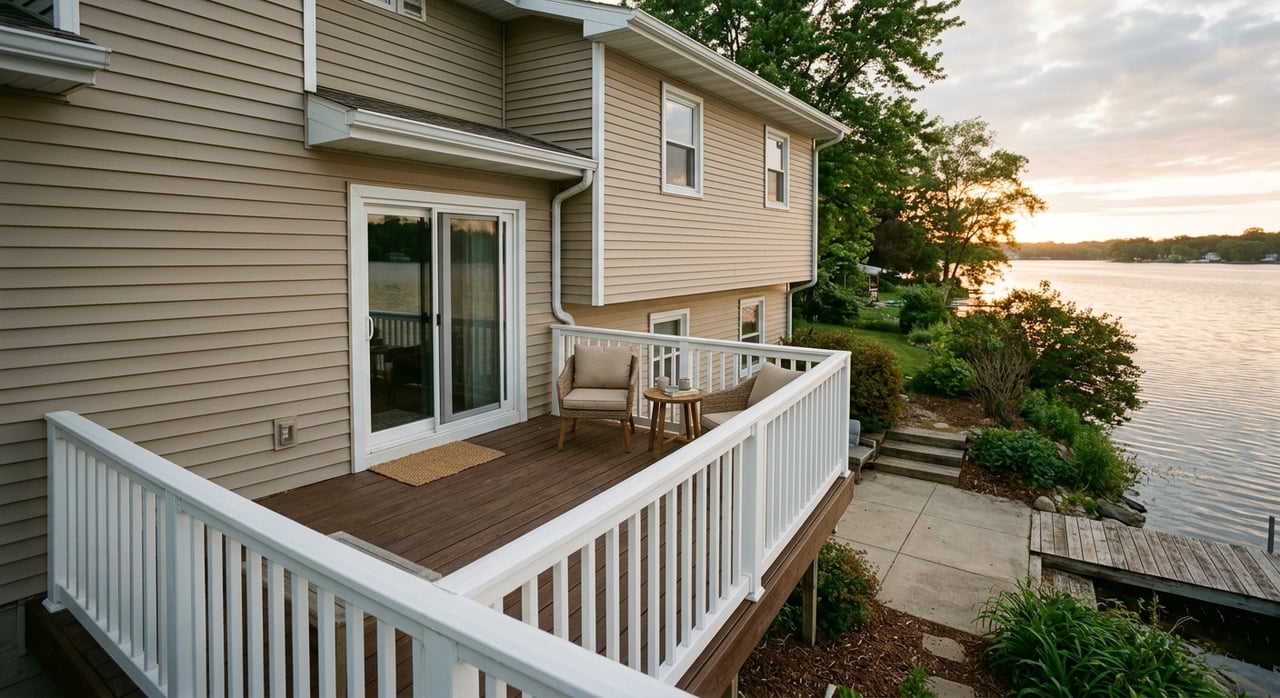
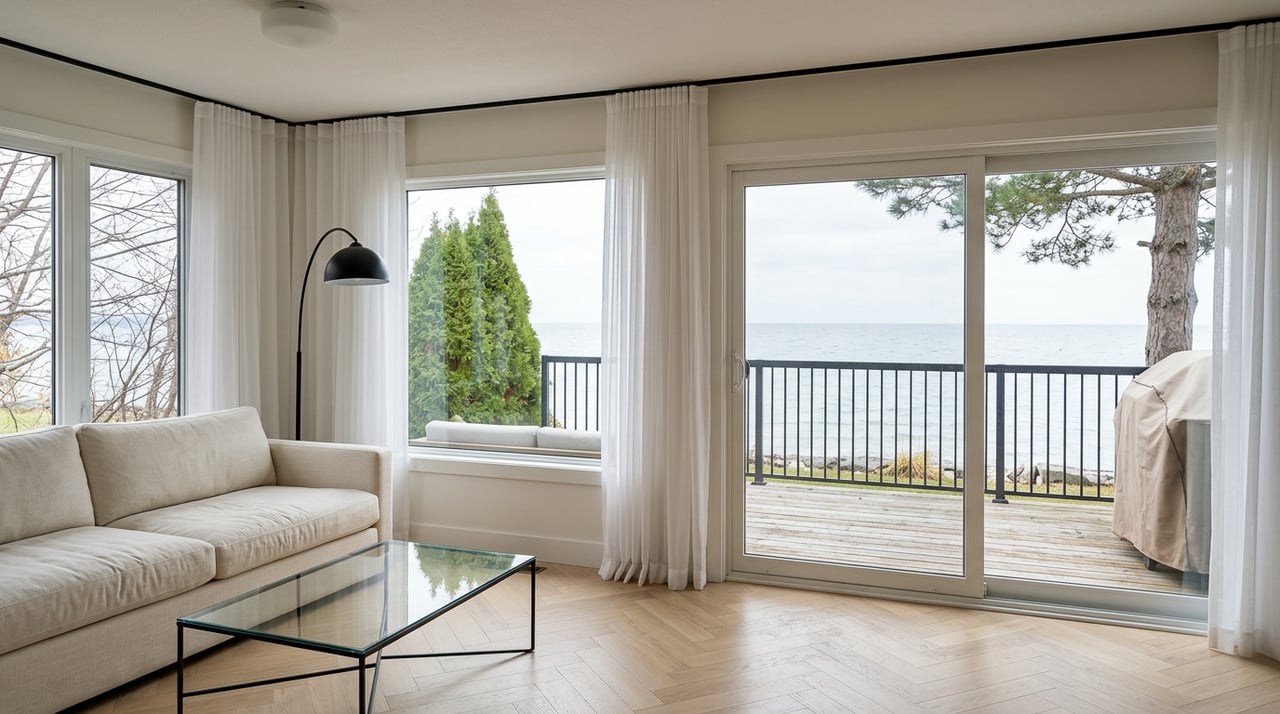
  • Use professional photography, including dawn, dusk, and bright daytime shots. Capture views from key rooms and the shoreline back toward the house.
  • Add drone imagery that shows frontage length, dock placement, and neighboring context. Label features clearly.
  • Ensure all photos reflect permitted conditions. If items like boats or lifts are excluded, say so plainly.

What to highlight in your listing

Reduce questions and speed up offers by naming the facts buyers care about.

  • Spell out access type: private deeded waterfront to the OHWM or shared/association access.
  • Clarify pier status and slip capacity. If legacy or exempt, reference the DNR exemption and any documentation.
  • List Alliant SAP authorization status where applicable, along with any county and DNR permits and recorded mitigation affidavits.
  • Note septic compliance, well details, and any membership in local lake organizations. For shoreline authorization details, see Alliant’s SAP page.

Build a winning seller packet

Gather these documents before you go live. Offer digital copies to buyers and their lenders.

  • Deed pages showing your waterfront description and any riparian easements. Source: County Register of Deeds records referenced in the County Code.
  • Survey with the Ordinary High Water Mark and measured shoreline frontage.
  • DNR documents: pier permit or exemption checklist, and any riprap or shoreline permit records. Start with the Waterways Permit FAQ.
  • Alliant Energy SAP authorization letter or documentation of pre-existing status for work within the project boundary. See the SAP overview.
  • County permits: shoreland, building, septic, and floodplain permits, plus any recorded mitigation affidavits.
  • Septic inspection and maintenance records, well documentation, and any water tests.
  • Water quality summaries from the Lake Wisconsin Alliance.
  • Contractor estimates and receipts for riprap, dock installation or repair, and any engineered shoreline work.

Who to call for authoritative answers

  • Columbia County Planning & Zoning - Shoreland, wetland, and floodplain rules, permits, and mitigation guidance. Start here for local approvals: Planning & Zoning.
  • Wisconsin DNR Waterway Permitting - State rules below the OHWM, pier exemptions, and permit help. Begin with the Waterways Permit FAQ.
  • Alliant Energy - Prairie du Sac Shoreline Authorization Program - Authorization within the FERC project boundary for docks, vegetation, and erosion control. Visit the SAP page.
  • Lake Wisconsin Alliance - Local monitoring and education resources to help frame water quality context. Explore water quality monitoring.

Work with a Lake Wisconsin team

Selling waterfront takes more than a sign and standard photos. You need an agent who understands riparian rights, county shoreland rules, and how to present your frontage, dock status, and permits in a way that builds buyer confidence. Our team pairs deep local expertise with premium marketing, including polished listing pages, video, 3D tours, and targeted outreach to Madison-area and second-home buyers. Let’s position your Lake Wisconsin property to shine and help you move on your timeline.

Ready to get started? Connect with Your Local Real Estate Group. Let’s talk about your next move.

FAQs

What paperwork do I need to sell a Lake Wisconsin waterfront home?

  • Assemble your deed with waterfront description, survey with OHWM and frontage, DNR pier or exemption documents, Alliant SAP letter if applicable, county shoreland and septic permits, floodplain records, and contractor receipts.

How do I know if my pier is legal on Lake Wisconsin?

  • Check the DNR’s criteria for exempt piers and whether your pier qualifies as a legacy pier placed before April 17, 2012. Keep photos and dates, and consult the DNR’s Pier FAQ for details.

Do I need permission to add riprap before listing?

  • Most riprap or erosion control requires state and county permits, and SAP authorization within the project boundary. Start with the DNR Waterways Permit FAQ and confirm local requirements with Columbia County.

What is the 35-foot buffer along Lake Wisconsin?

  • Columbia County designates a 35-foot vegetative buffer inland from the OHWM to protect water quality. Limited viewing corridors and narrow access paths are allowed under specific conditions with mitigation when required.

How long do shoreline permits take around Lake Wisconsin?

  • Timelines vary by project and season. Alliant cites about 60 days after a complete SAP application. County and DNR reviews range from weeks to months depending on scope.

Is flood insurance required for Lake Wisconsin homes?

  • Lenders often require flood insurance if your home is in a FEMA Special Flood Hazard Area. Verify status during pre-listing and include documentation in your seller packet.

Work With Us

Whether you are buying or selling a home, Your Local Real Estate Group is eager to be your resource throughout the entire process. Their experienced professionals have access to top listings, a worldwide network, exceptional marketing strategies, and cutting-edge technology to help make your real estate experience memorable and enjoyable.